Due to current circumstances regarding the COVID-19 Situation, we all are about to be spending a lot more time at home. So I thought what better time to learn how to make yourself the best cup of coffee at home!
There are a multitude of different methods you can use to brew coffee all depending on your desired equipment price range, effort level, and of course, taste preference. In this post I will be covering some of what are, in my opinion, the best ways to brew, as well as offering some of my favorite product recommendations.
Drip Coffee
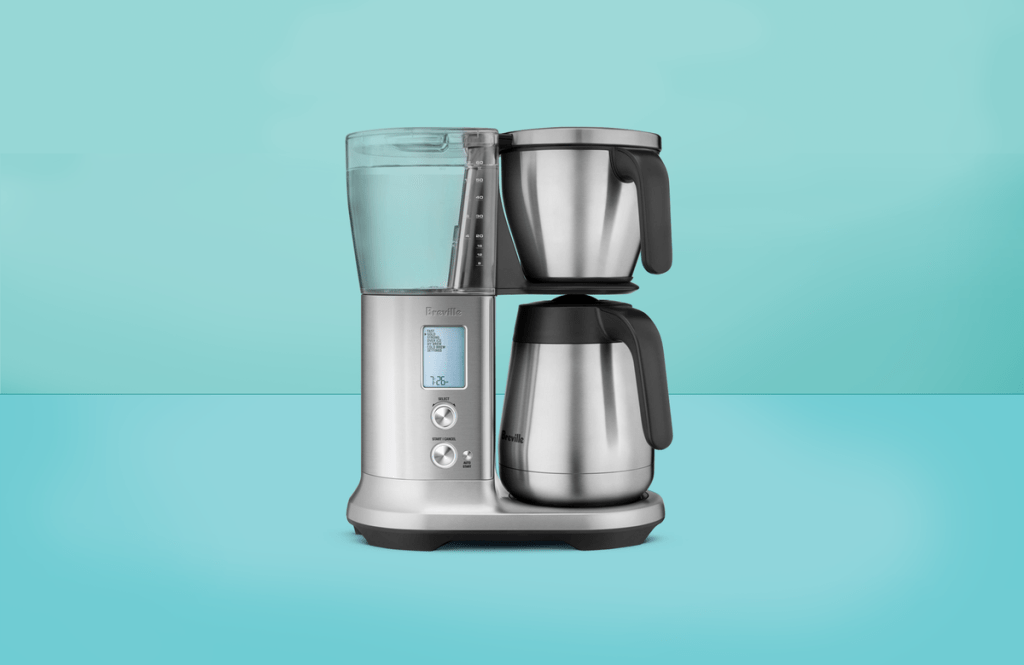
Ah, the good ol’ coffee maker. Most of us are already familiar with how this one works, and you may love it or you may hate it. For me, I hated our coffee pot when I was growing up. My parents brewed it strong, and I usually ended up drinking flavored creamer with a splash of coffee. Little did I know, you can actually make GREAT coffee with a regular drip coffee brewer.
You see, to get the best results out of your coffee you must make sure it is “dialed in.” Simply put, that you are using the right amount of coffee grounds and water for whatever size output you are looking for. My personal preference is to use 1:17 ratio, which means that you use 1 gram of ground coffee for every 17 grams of water. However, if you won’t be using a scale, a good rule of thumb is about 1 1/2 to 2 tbsp of ground coffee for every 1 cup of water.
From there, it really comes to programming your brewer as instructed. I like to use a brewer that is pretty simple and really only has on on/off button. Below are my two favorite brewers at the moment. The biggest thing to look for with a drip brewer is one that evenly disperses water over the coffee in several areas. Most brewers have one single opening where the water comes from, which then causes the coffee to be over-extracted where the water hits directly, and under-extracted everywhere else. This is what we want to avoid, as that is how you get a bitter or sour cup of coffee.
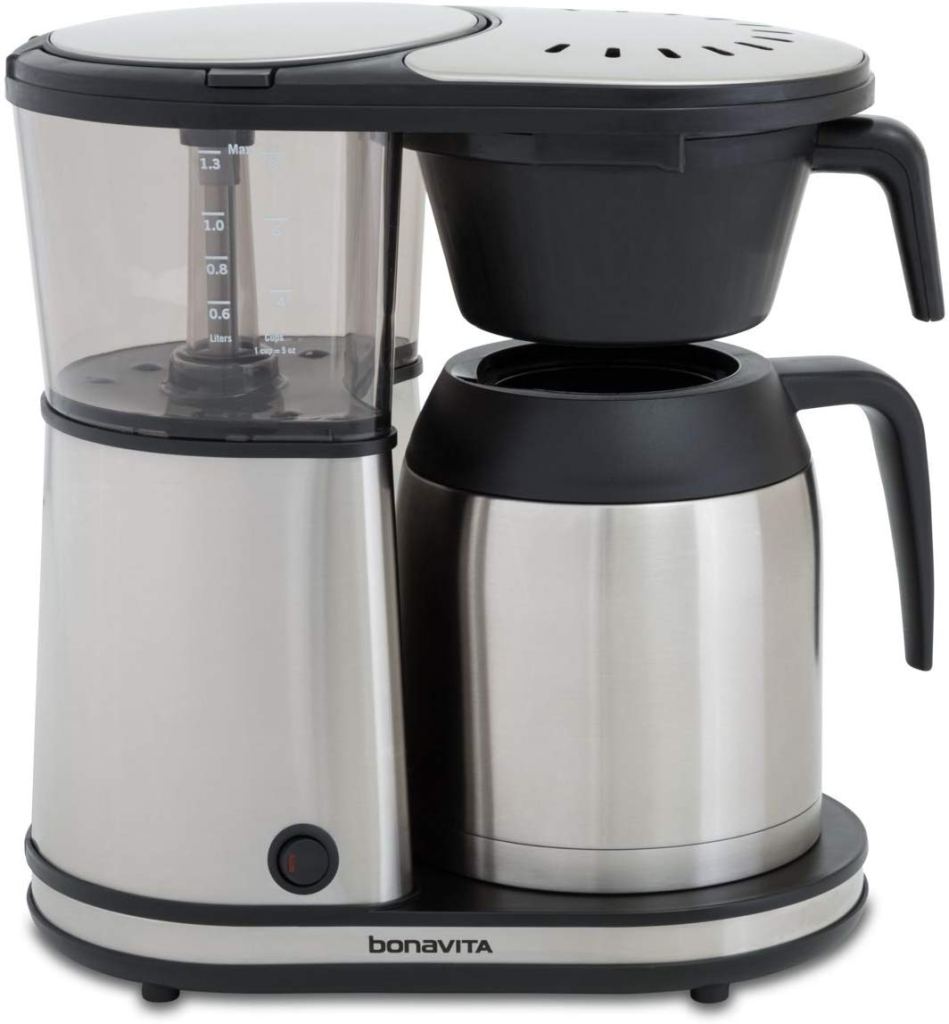
This Bonavita brewer is what I use on the daily and love. It is a very simple and easy to use machine, and a great value.
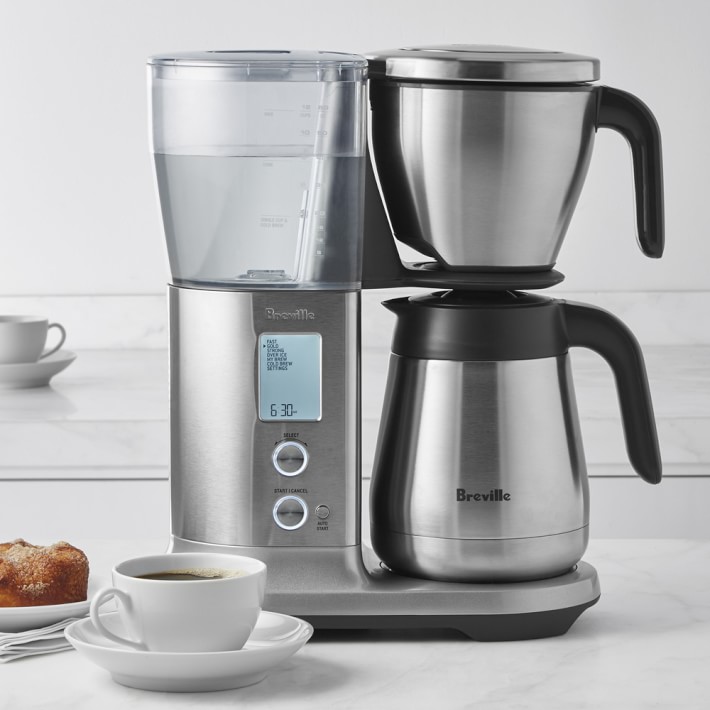
This brewer by Breville is more of a splurge, but is the basically like cafe style brewer that you can have in your own kitchen.
Chemex / Pour-Over
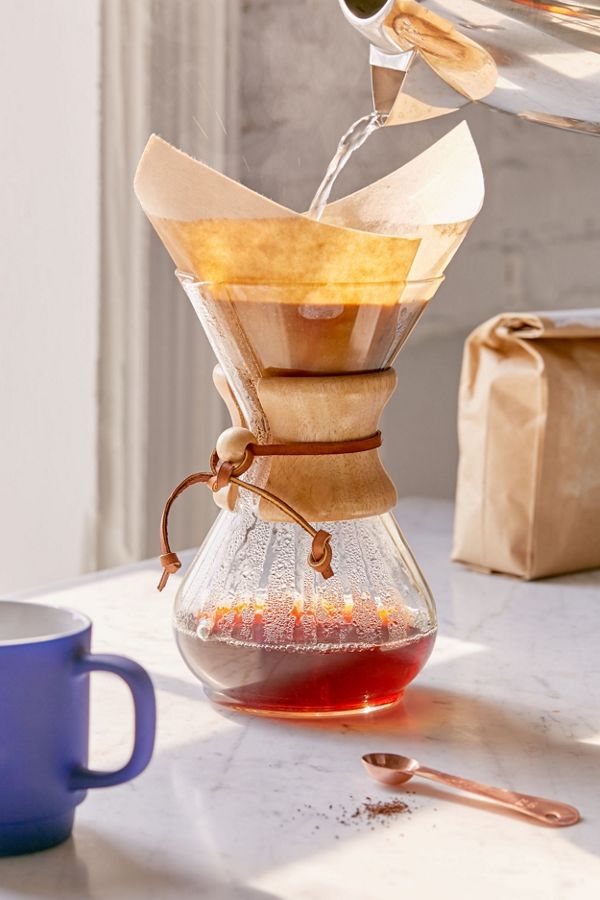
Pour overs are the first manual brewing method we will look at. Basically the same concept as drip coffee, but instead of letting a machine do it, you control your own outcome. This is probably the most popular home brewing method among coffee professionals.
The biggest difference between a chemex and a regular pour-over (such as a Kalita Wave, mentioned below) is the type of filter you use. Chemex requires a cone filter while Kalita is a flat bottom filter (like drip.) When it comes to your filter there is not a better one to choose—it is all based on your personal preference. The difference between them is how long the coffee grounds are in contact with the water. Since the cone filter creates a funnel, the coffee tends to be stronger because the water takes longer to travel through all the grounds, but you want to be sure to use a larger size grind so that it does not become clogged at the end and over-extract your coffee! Flat bottom filter makes it easier to get an even extraction and tends to produce a lighter and less bitter cup of coffee so it is usually recommended for beginner home brewers.
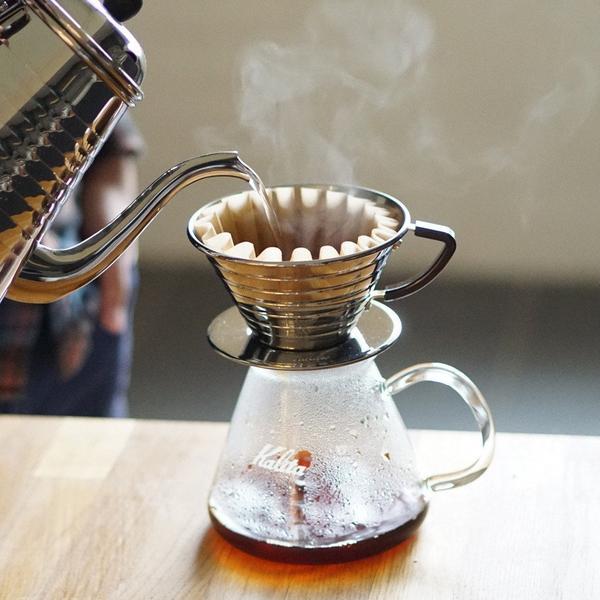
To brew a pour-over, you will also need a gooseneck kettle and a scale. Begin by boiling water and then allowing to cool for 30 seconds. As the water boils you can measure (and grind, if you have a grinder) your coffee. The 1:17 ratio also applies to pour-overs. Pre-wet your filter and dump out the extra water. This is to get rid of any papery taste. Place your carafe on the scale and tare it. Place your grounds in the filter and start pouring the water over it in circles, making sure to saturate all the grounds. For the first pour, only pour twice the amount of coffee you are using, for example, if you are using 30 grams of coffee, pour to 60 grams on your scale. This is called the bloom, which allows the grounds to release carbon dioxide and begin the extraction process. From there, you will continuously pour your water in until reaching the total amount, if we are using the 30 gram example again, which makes 16 oz of coffee, you would pour to 510 grams. This process should take between 3 and 4 minutes. Below is the link to my favorite pour-over device, the Kalita Wave! There will also be a list of accessories at the end of the post.
French Press
The french press is an extremely easy to use, and surprisingly versatile brewer. You don’t need any additional equipment, although a scale always comes in handy, and you can brew traditional hot coffee, use it to make cold brew, and even use it to brew loose leaf tea. If sustainability is a factor to you, the french press is also a great option because it requires no paper filters.
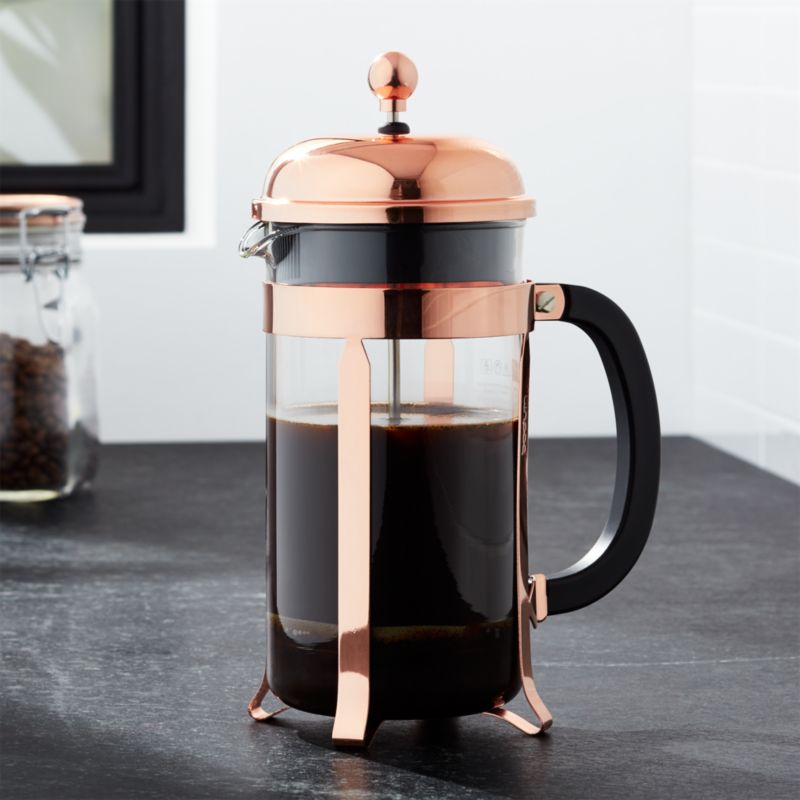
To brew hot coffee in the french press, measure out your coffee and start boiling your water. Since french press is typically meant to be a stronger coffee, a 1:15 ratio is a good measurement to use. You begin by placing your grounds in the carafe and then saturating with water and allowing it to bloom, similar to the pour-over, but it does not have to be quite as precise. Continue by pouring the rest of you water to the top, and then giving it a few stirs to insure the grounds are fully saturated. Then you will place the lid on and steep the coffee for four minutes. Once that is done, just press down the top, forcing all the grounds to the bottom and enjoy your coffee! But make sure that if you are brewing more than one cup, you pour it into a different server because the coffee can continue to extract if left in and will become bitter the longer it sits.
To make cold brew, measure your coffee as normal, but this time fill with cold water. Put on the lid and place in the fridge overnight. In the morning, press and pour!
Aeropress
The Aeropress may just be the quickest and easiest way to brew a cup of coffee, but it comes with a bit of a learning curve.
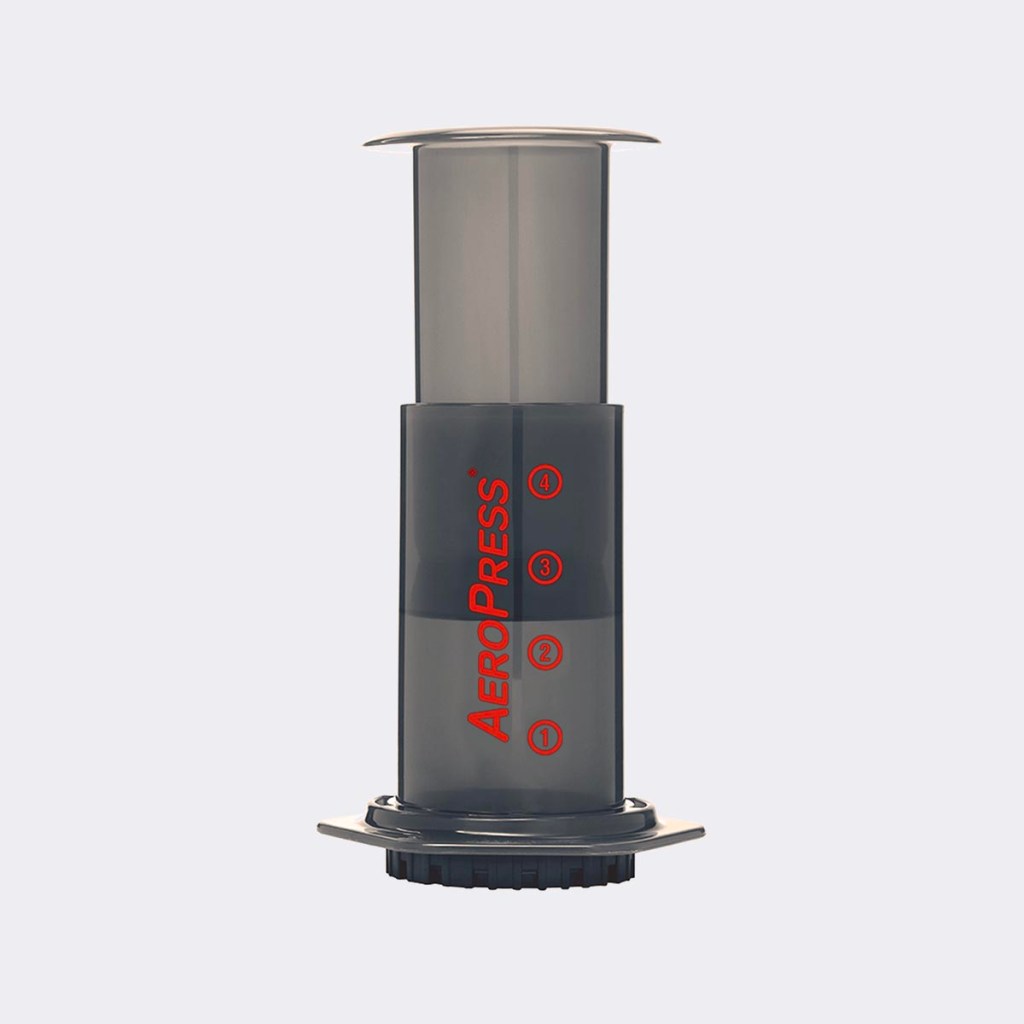
To brew the aeropress, I use this method by Stumptown Coffee: https://www.stumptowncoffee.com/brew-guides/aeropress
I personally think for this method, it is easier to learn by watching rather than reading, which is why I have included this link. While this is not my go-to method, I know people who swear by it. Because it small and lightweight, it is also a fantastic option for the outdoorsy people out there who like to drink coffee on their hikes or camping trips.
Accessories
Here’s where things get fun. You can go as crazy or as minimalist with coffee gadgets as you want, but there are three things that I think help take your coffee to the next level.
Scale
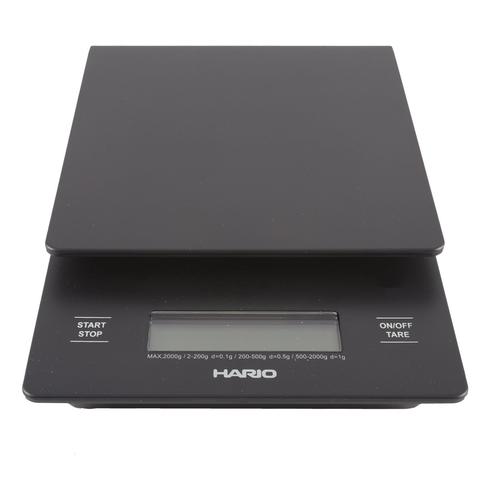
If you will be using either a pour-over method or a french press, a scale will help you get get precise, and if you start getting really into hand-brewed coffee, will help you play around with different ratios. If you won’t be hand-brewing, however, a scale will still come in handy in measuring your dose of coffee, which still will help you produce the best cup. Below is my absolute FAVORITE scale. It is a fantastic price, and it includes a timer which is a lifesaver if you are hand-brewing.
Gooseneck Kettle
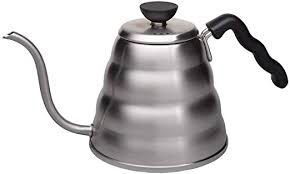
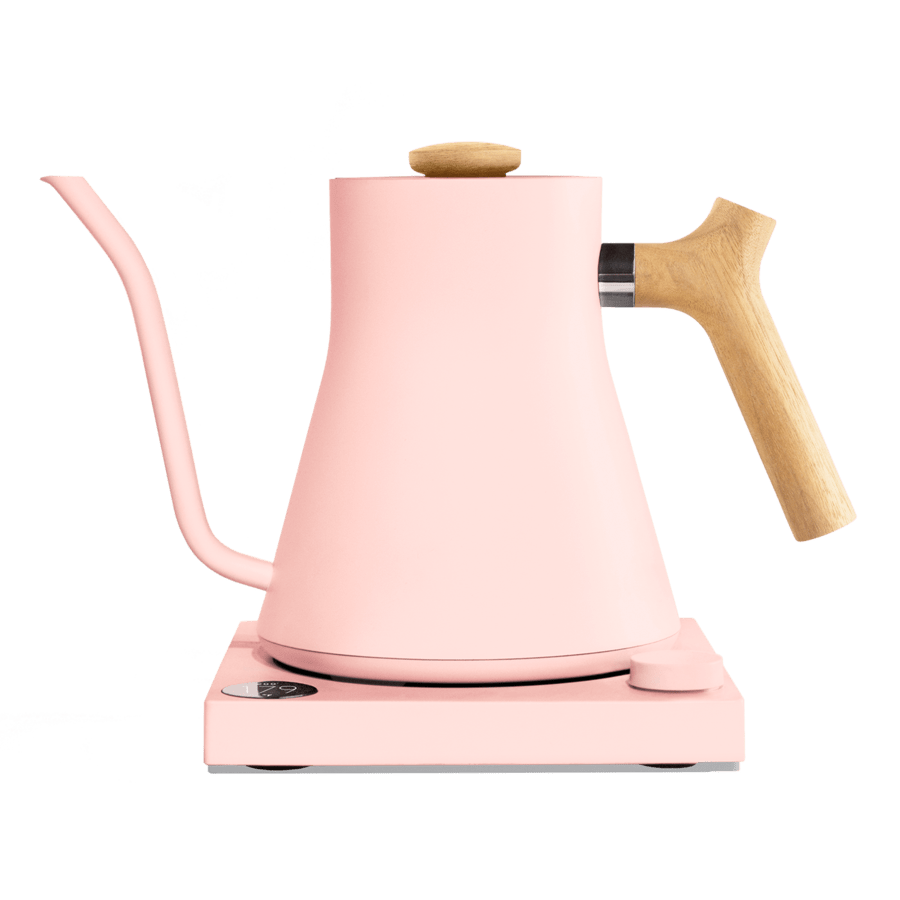
A kettle will make your life so much easier when it comes to coffee, or even tea. The only method you really need a gooseneck kettle for is the pour-over, but it can be used by every other method as well. The gooseneck is essential for creating a smooth, concentrated stream and is easier to control. You can get kettles that go on your stove top to boil, or ones that come with their own heating element. I would recommend the latter as it saves you a whole lot of time. However, if you’re on a budget, stove top kettles will do you just fine.
Grinder
A grinder will make a huge difference in the quality of your at-home coffee! The longer coffee has been ground, the surface area exposed to air is much larger, allowing the coffee to lose its flavor faster. A grinder also ensures that you are using the right size grind for whatever brew method you choose. For example, for Aeropress you would want a lot finer grind than for Chemex. The best kind of grinder to get is called a burr grinder, which evenly grinds your coffee.
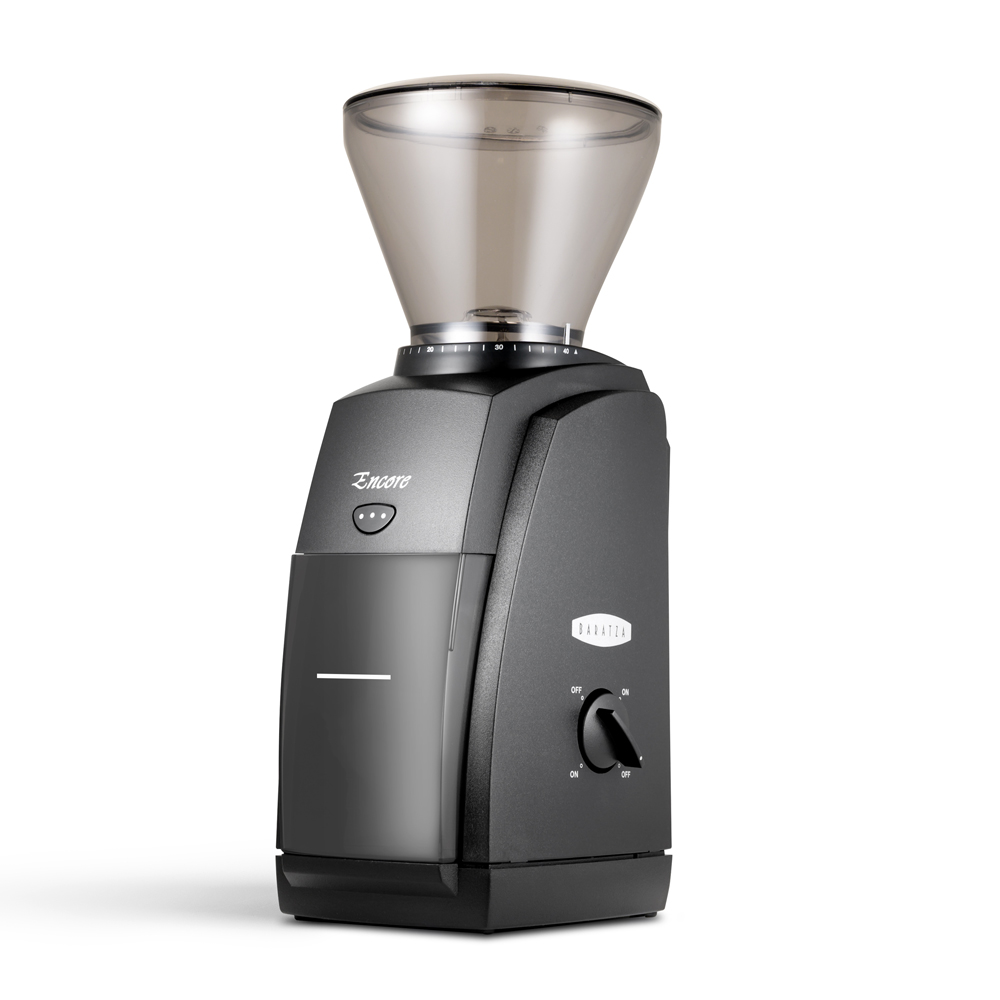
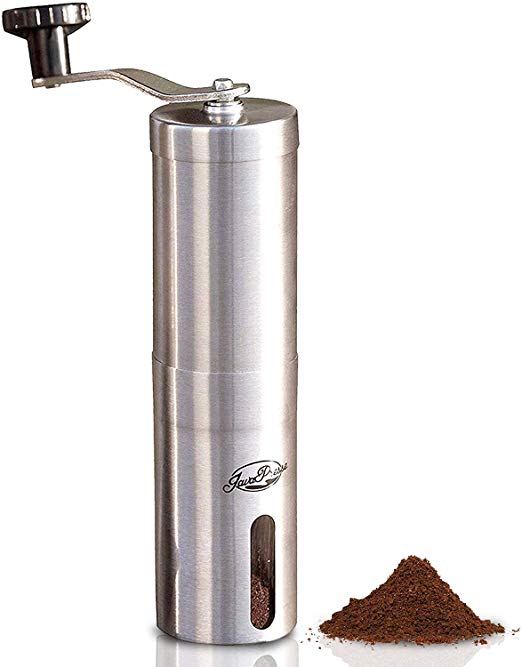
And if you are trying to save money you can also get a manual burr grinder, but keep in mind it takes time, and some muscle!
And there is also the option of the electric hand grinder. This type of grinder is not a burr grinder but a blade grinder, and therefore does not do the best job of getting an even grind. But many people already have grinders like this on hand and they are cheap and easy to find.
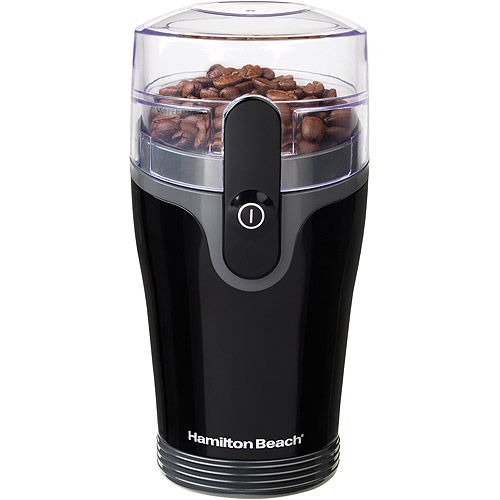
If you do opt for this option, popular coffee YouTuber, James Hoffman, has an excellent video on how to get the most even grind using a blade grinder, which you can watch below!
I hope these suggestions and tips have inspired you to try brewing yourself a cup of coffee at home, or improve your skills while social distancing. 🙂
If you have any questions or ideas please comment and let’s talk about it!
Happy Brewing!
 Kelsey Makes Coffee