Throughout my time working in coffee shops, I am often asked by customers what type of bag of coffee they should get, and how can they know they will like it? Most specialty coffee shops include a lot of information about the coffee on the bag. This is great for at-home aficionados, but can be intimidating to anyone just trying it out for the first time or who might not be interested in all the facts about the bean, but just want to know if they would like it.
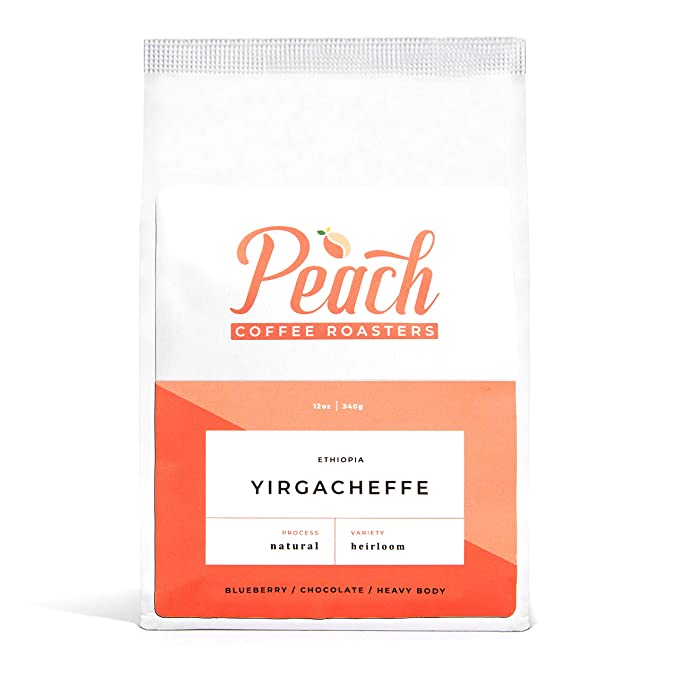
I’ve chosen to use a bag from the company I work for as an example, because each piece of information is very clear, and we can identify each one.
Country/Region
The first thing you most will most likely see, and typically is the most prominent, is the country and region where the coffee was grown. Something to note, however, is that if this information is not on the bag, it is most likely a blend of coffees from different parts of the world. This is why a lot of coffee you see at the grocery store does not include this information. Some of the most popular coffee growing countries are places around the equator, such as Brazil, Colombia, Ethiopia, Kenya, and many more.
Coffee that comes from a specific country also typically has a specific characteristic to it that comes from it being grown in that place, however location is not the only factor in the taste of the coffee. It can also have to do with the process the coffee has, which we will talk about more next. But as an example, most people know Ethiopian coffee to be naturally sweet and fruity whereas a Colombian coffee is typically more smooth and nutty.
Process
There are four ways to process coffee: washed, natural, honey, and anaerobic. Washed and natural are the two most common processes. A process is how the coffee is handled once it has been picked, and how they get it from a cherry to the seed (or coffee bean.)
We’ll start with natural since that is what our example bag is. Natural process is when the coffee cherry is picked and set out to dry on large drying beds, with the whole cherry fruit still intact. Over time, the cherry and the juices dry out, and the seed soaks up a lot of these sugars. This is what gives natural coffees their sweetness and fruity or floral notes.
Washed processing is when the coffee is picked and the entire cherry and mucilage is washed away from the seed. This process allows the flavors of just the bean to come through, which is why a lot of specialty roasters choose predominantly washed coffees.
Honey process is somewhere between washed and natural, and is less common. It is usually done in Central American countries. Honey process starts off like a washed, with the cherry skin and most of the mucilage being removed. But a little bit of the fruit is still left on and then is set out to dry. This is to try and cut back on the fruitiness of naturals.
Lastly, anaerobic process is new to the coffee world, so the process is a little bit confusing, and anaerobically processed coffee can be harder to find. To put this process simply, the coffee goes through a controlled fermentation, think almost similar to the process of making beer.
A great resource for learning more about these processes is this video series by Cafe Imports. I’m a big visual learner, and because it is something that is more difficult to describe, seeing these coffee processes in action helps you fully understand them.
Variety
There are two species of coffee plant: Robusta and Arabica. Arabica is the most popular type of coffee to drink, and almost exclusively what you will find at any specialty cafe. Within the Arabica species there are a number of varieties. These can be compared to the varieties of wine.
In our example, the variety is called “heirloom,” which oddly enough, is actually not a variety, but is there because we are not sure of what the variety is. A lot of Ethiopian coffee tends to be in this category.
However, there are many known varieties of coffee, including: Bourbon, Caturra, Catuai, Gesha, and more. Some of these varieties are known for their distinct flavor trends. For example, Gesha is prized for being a very delicate and tea-like coffee. However, just because a variety has a tendency to taste a certain way doesn’t mean it will. Growing conditions play a huge part in the end quality and flavor of the coffee.
Tasting Notes
Tasting notes always seem to be the thing that throws people for a loop. After all, the country and type of plant are fairly easy to understand once you know what they are, but how does a coffee taste like honey-nut cheerios or redcurrants? Most people think it must be flavored. But tasting notes and flavored coffee are very different. So if you’re looking for flavored coffee, it may be harder to find among specialty coffee shops.
Tasting notes are keyword descriptors used by coffee professionals to describe the nuances of a certain coffee. Usually, it is based on a flavor wheel and can be broad or very specific, and can even include mouthfeel.
Some common broad descriptions are words like: nutty, fruity or chocolate. A lot of times there will be some more detailed words like a specific fruit, nut, or spice. In terms of mouthfeel, common descriptors are: smooth, juicy, heavy or acidic.
What you need to know about tasting notes is that just because the bag says a certain thing doesn’t mean that’s what you will taste. At the end of the day your coffee is still going to taste like just that, coffee. Most coffee professionals who write those tasting notes have been cupping coffee for years and have a palate that has been built up to taste these minute details, like sommeliers are to wine. In additon, everyone’s tastebuds are different, and you could taste something else!
 Kelsey Makes Coffee