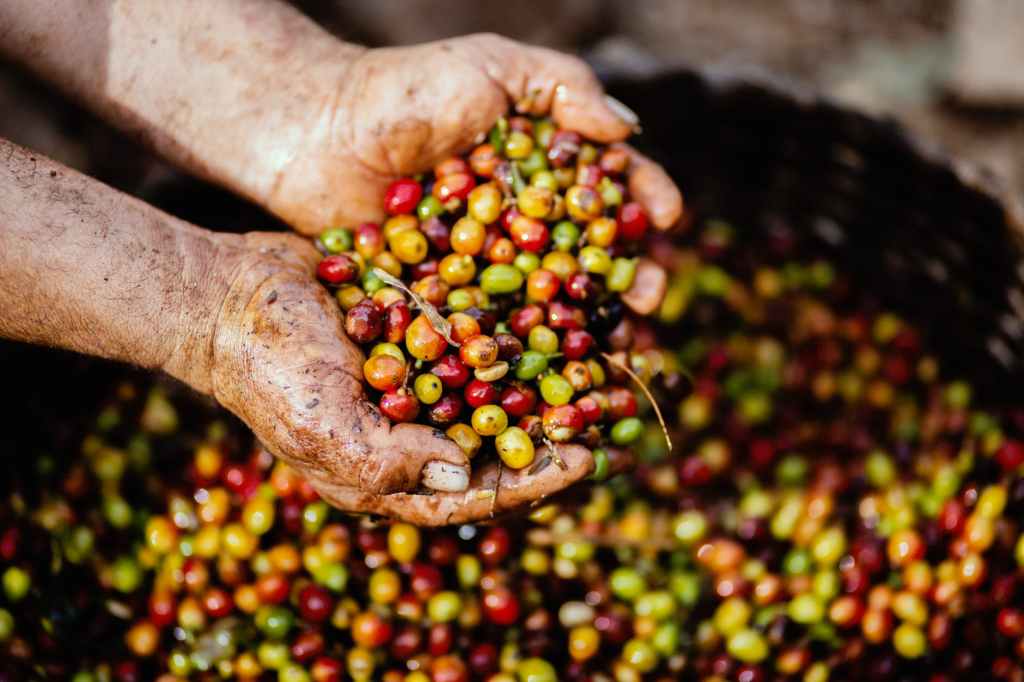
Before coffee comes into the form of the delicious caffeinated beverage in your cup, it goes through a long string of different places. It starts off as a cherry on a shrub and is handpicked by farmers and is next “processed.” But what exactly is a process when it comes to coffee and what does it have to do with the end product?
The process is whatever method is used to essentially remove the cherry from the seed, which is more popularly known as the coffee bean. There are five main ways to process coffee: washed, sun-dried/natural, honey, wet-hulled, and anaerobic. Each process is done in different ways and each has a specific was it affects the final product.
Washed
Washed coffee is the most popular and most-used method worldwide. It is popular among coffee connoisseurs as the method that highlights the bean’s naturally occurring flavors. Washed coffee begins its process very soon after the ripe cherries have been harvested. The first thing that happens called pulping. Cherries go through a machine called a depulper which forces the seed to be squeezed out of the skin of the cherry, which is then discard. The seeds are left with a layer of sticky fruit substance on them called the mucilage. The seeds are left to ferment for 1-3 days which allows the mucilage to break down and become easier to remove.
Once the fermentation process is finished the actual washing begins. The seeds are placed in some type of vessel that allows water to be filled and drained. The first washing removes a large amount of the mucilage and other matter on the seed, and the coffee producer will agitate the seeds to help this process even further. The amount of times the seeds are washed is up to the farmer. There are also some farms that are reducing the amount of water used to wash the coffee by using machines rather than fermentation to remove the mucilage. The final part of the process is to dry the beans to a moisture content of around 12%. This is done by spreading the seeds out in a even layer on a large drying bed. They are usually left out 1-2 weeks before they are ready to be placed in bags until exported.
As mentioned before, washed is popular because of its ability to allow the true flavors of the coffee to shine. It brews the most “clear” cup of coffee, whether it highlights the aroma, acidity or body.
Sun-dried/Natural
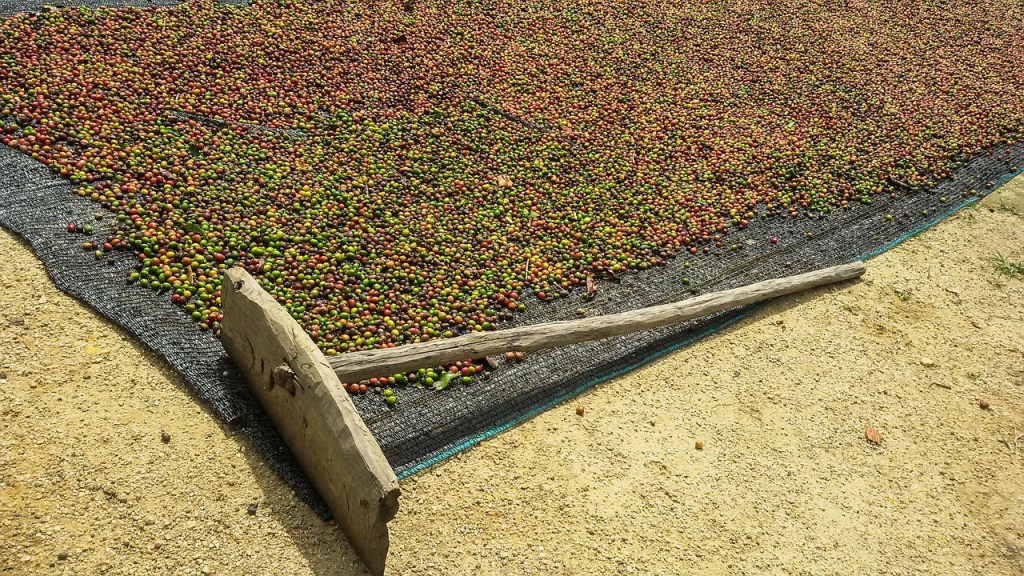
The natural process is done in parts of the world that do not have easily accessible clean water to process with, yet it has gained popularity as it has become known for its natural fruity sweetness once brewed. Instead of the cherry being removed in the beginning of the process, the cherry is left on until the very end. Once the coffee is picked, it goes straight to the drying beds where it is allowed to dry for up to 30 days. During the drying phase it goes through a fermentation process, but it is much less controlled than with washed coffee, which is why some do not like this process as much since the flavor can vary so much. Once the coffee is fully dry, the cherry, mucilage and parchment are removed and the seeds are ready to be packaged for export.
Natural coffee can easily be one of the best coffees you’ve ever had or the worst. When a natural is good it will be beautifully fruity, floral and sweet. However, because of uncontrollable the process is, it can also produce a coffee that tastes dirty, or leaves an almost silty feeling on your tongue.
Honey
Honey process is somewhere halfway between the natural and washed processes. It is a variable process with different names for those variations known as: Yellow Honey, Red Honey, and Black Honey. The reason for the name honey is that some water is used in this process to wash different amounts of the mucilage away, still leaving the seed somewhat sticky. In addition, it also has a tendency to actually taste like honey. The different variations signify the amount of mucilage left on the seed, yellow being the least amount left, and black being the most. Each one also has a little bit of variation in the drying times depending on how much mucilage is left. From there, the seeds are finished the same way as the other processes.
Honey process was created to mimic the sweetness of a natural process without getting the overpowering fruit flavors in the cup.
Wet-Hulled
If you have ever had Indonesian coffee, than you have had wet-hulled coffee. They start off nearly identical to washed process coffee, depulped, fermented, and set out to dry. However, where washed coffee is dried to around a 12% moisture content, wet-hulled is stopped at around 24%. At this point, the parchment is carefully removed, and then the coffee is set back out to dry to the final 12%.
Wet-hulled coffee tends to taste strong, with little sweetness or acidity. It also tends to take on earthy flavors, and some say that it often tastes a little bit like tobacco.
Anaerobic Fermentation
The last process is one that has been gaining more attention over the past few years, but is still harder to find. The way anaerobic fermentation has been described to me is to think of it through the same lens as craft beer. Like washed coffee, the skin is pulped, but then the seeds with their mucilage are placed into tanks to ferment, but the biggest difference is that they are sealed off to create a lack of oxygen. This promotes the growth of a different type of bacteria (lactic acid).
This method produces an array of different flavors, from fruits to chocolate to spices. It is considered to be an “art” as far as coffee processes go, and tends to be a higher priced coffee.
 Kelsey Makes Coffee