The coffee industry is huuuuge. Think about the amount of people who drink coffee everyday. Then think about the baristas who are making those people coffee, and the producers who grow that coffee. Among all these people, there are a lot of questions, facts, and myths circling, and I get asked a lot of these on the daily. I thought there would be no better way than writing it all down in one handy article!
Q: What kind of coffee is espresso?
Oftentimes, bags of coffee are labelled as an “espresso,” which would lead you to believe that it is a certain kind of coffee, right? Actually, espresso is a brew method where you grind the coffee extremely fine and pack it tightly into a device called a portafilter which you then insert into an espresso machine. The machine forces highly pressured hot water through the grounds creating a very small concentrated cup of coffee. And the thing is, you can use whatever kind of coffee you would like for it!
Q: Does espresso have a more caffeine than normal drip coffee?
This question is actually kind of tricky, because the answer is both yes and no. Some people believe that if you get an espresso or an espresso based drink like a latte, you will be consuming more caffeine than if you were to get just a regular coffee. That is actually false because those drinks only contain around 2 oz. of espresso which is roughly equal in caffeine content to a drip coffee (around 120 mg). However, because espresso is a concentrated type of coffee, if you were to compare the caffeine in 8 oz. of espresso vs. 8 oz. of drip coffee, the espresso would have much more caffeine. But drinking 8 oz. of espresso is not recommended!
Q: Does light roast coffee have more caffeine than dark roast?
There actually is an ever-so-slight difference in the amount of caffeine between the two. When coffee is roasted, it loses mass as the moisture in it evaporates, and the darker roasted it is, the more mass is lost. So, if you were to weigh out 100 g of light roasted beans and 100 g of dark roasted beans, there would be more dark roasted beans which also means more caffeine. However, the difference is so small, especially when we’re talking one cup of coffee, that it does not make a difference.
Q: What is the difference between and light roast and a dark roast?
Roasting is all about the process of caramelizing the natural sugars found in coffee. And light, medium, and dark roasts all refer to how long those sugars are caramelized in the roaster. Light roasts are not roasted for very long and tend to have a more bright, acidic taste, and overall is more delicate tasting, whereas dark roasts are roasted for a few minutes longer and tend to have a heavy body and more chocolaty notes and probably taste like what you think of traditional coffee tasting like. Many dark roasts, if roasted too long, can start to take on bitter flavors from the burnt sugars that are the culprit for many people saying they don’t like coffee.
Q: What is a single origin coffee vs. a blend coffee?
A single origin coffee contains beans from just one country such as Brazil or Colombia, and a blend is a combination of beans from different places! Blends commonly get a bad rap in the specialty coffee industry, but there is actually nothing wrong with them when done right. Some companies use blends as a money maker by filling it with cheap beans, but more and more cafes are starting to use blends as a way to mix good beans together to create interesting and complex flavor profiles. Single-origins are also often a great choice and a way to see how beans from different parts of the world vary in flavor.
Q: What makes coffee decaf?
Contrary to what a lot of people seem to think, beans do not become decaf by roasting them! It is actually a process done while the beans are still green. The most common method is called Swiss Water Process. It is a little bit of a confusing process, but essentially, green beans are soaked in hot water which removes the caffeine as well as a lot of the other flavors, and becomes a green coffee extract. This extract is then filtered through charcoal which catches the caffeine but leaves all the good stuff behind that needs to be added back into the coffee. But instead of using the original beans, you use a whole new batch of green beans and soak them in the decaffeinated extract, so that the only thing that dissolves in the new batch is the caffeine. This leaves you with a decaf bean that still has all its flavors and is ready to be dried and roasted. One other fun fact about decaf coffee is that it is never 100% decaf, there are always some trace amounts left.
Q: What are those flavors on the bag? Does the coffee really taste like ______?
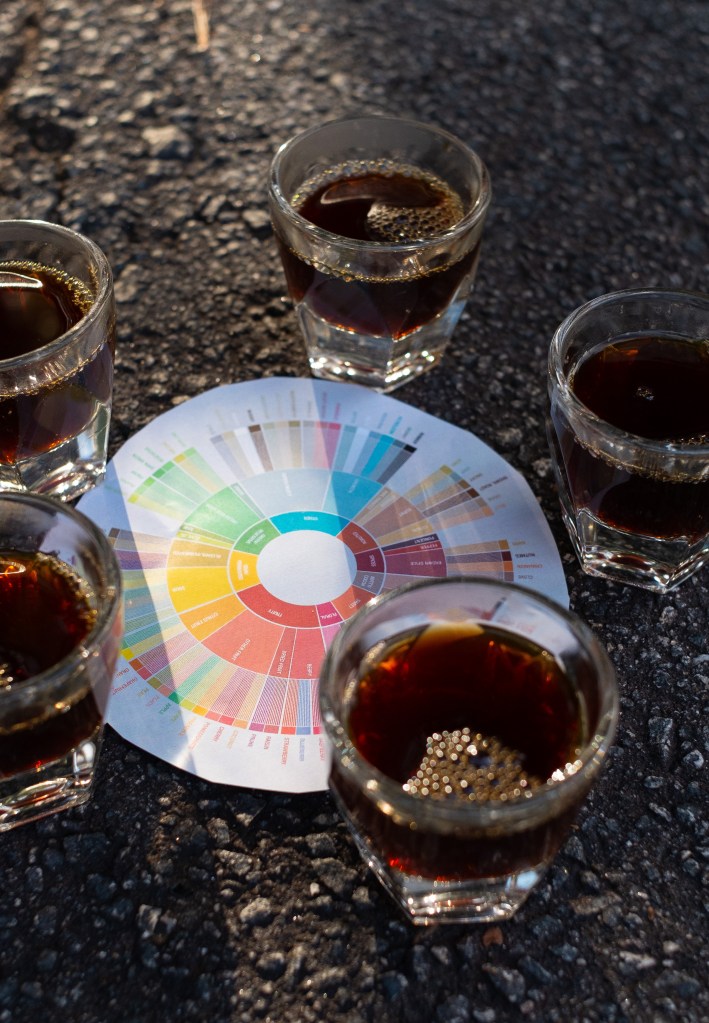
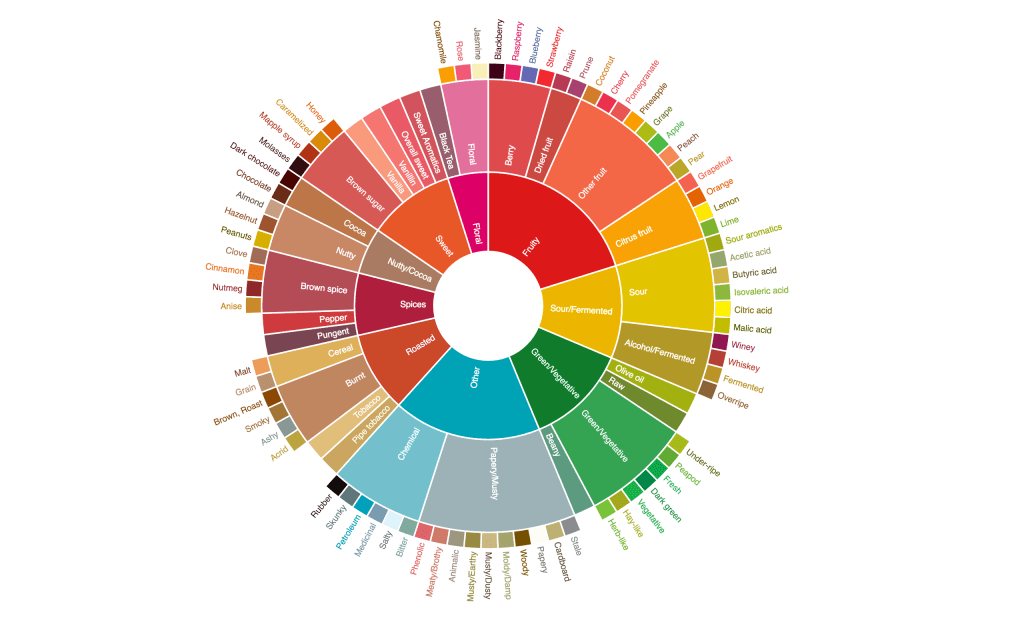
Sometimes you can get flavored coffee, but the bag will definitely specify that the coffee has added flavor to it. At a specialty coffee shop, you will most likely see flavor descriptors on the bag and those are actually called tasting notes! They are subtle characteristics found in the coffee that are usually described by coffee roasters and tasters. You can learn more about tasting notes in my post, How to Taste Coffee.
Q: Is it better to get coffee already ground or to grind it yourself?
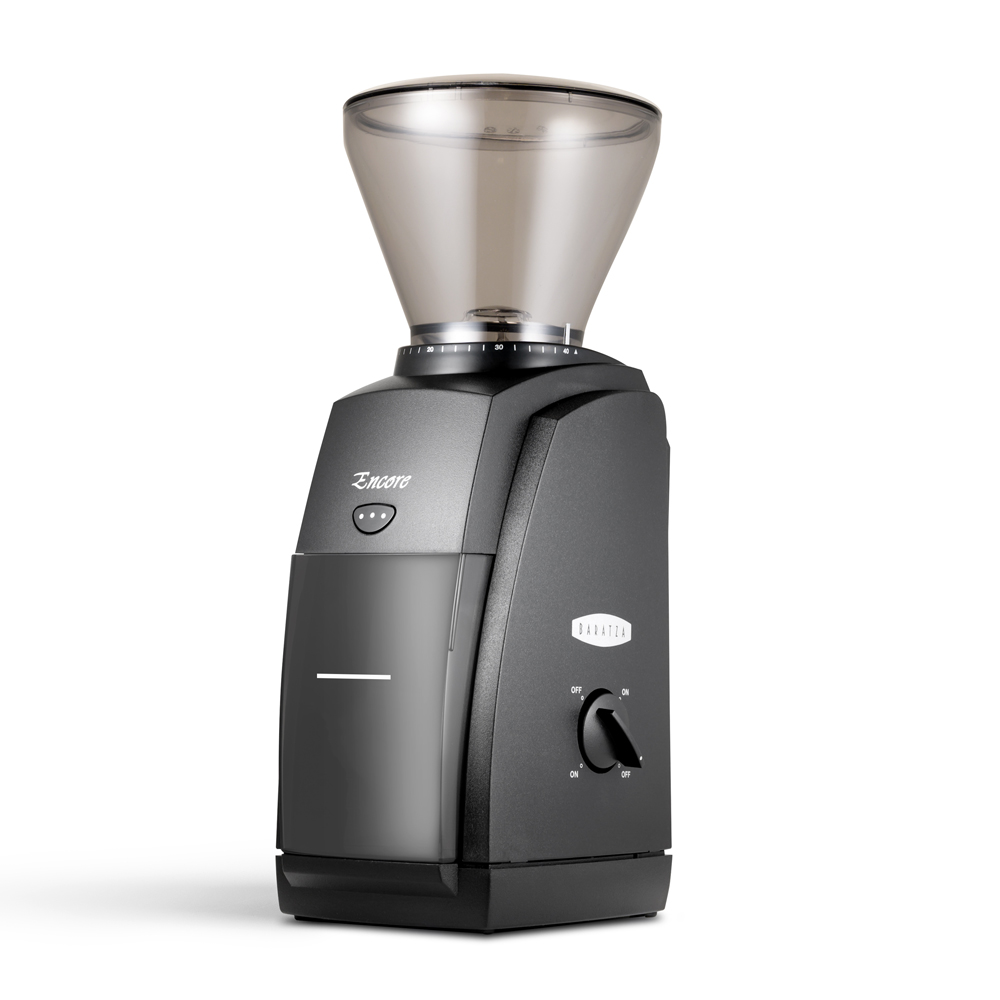
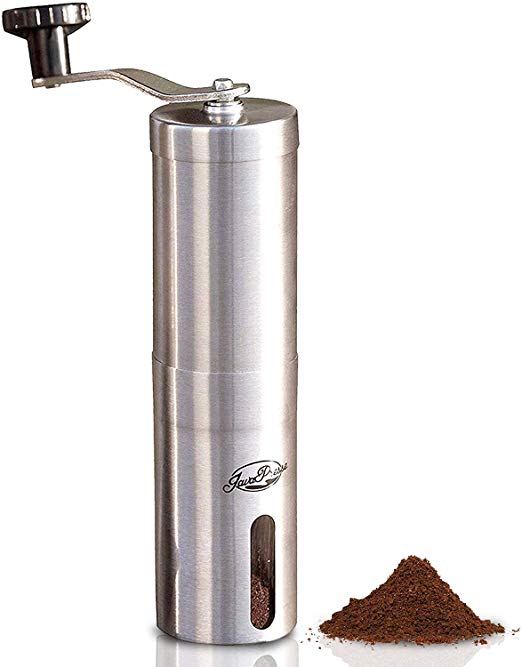
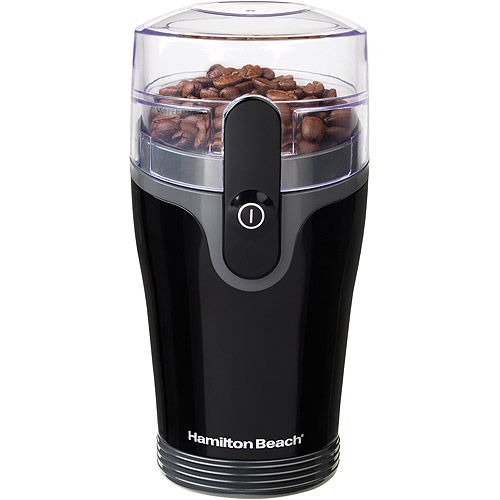
Simply put, coffee is always going to be best when ground right before brewing. However, another key part in getting good tasting coffee is having an even grind size. You don’t want some grounds looking like gravel and some looking like sand. A lot of home grinders are not capable of producing an even grind, but if you get your coffee ground at a coffee shop they will be using a good, industrial burr grinder. I would say that if you have it in the budget to buy a good grinder, go for it, but there is absolutely no problem with getting it ground at your local coffee shop.
Q: How many calories are in coffee?
Believe it or not, your cup of coffee is actually 98% water. The actual coffee solubles that are in your cup make up about 2 calories! Make sure to note that this is black coffee, and if you add cream and sugar or flavors, you need to check the nutrition facts on those to get a final calorie count. One packet of raw sugar contains 9 calories and an ounce of half & half contains 39 calories.
Q: What is the difference between a latte and a cappuccino?
There are so many cafes around the world doing coffee in so many ways that these names have gotten a little bit lost in translation along the way, especially the cappuccino. If you ask me, and I have done my fair share of research on this, the only real difference in these two drinks is the amount of steamed milk you put in them. A latte is a 12 oz. drink that contains a 2 oz. shot of espresso and is filled the rest of the way with milk, and a cappuccino is a smaller version of that at 6 oz. total with a 2 oz. shot of espresso and the rest of the way with milk. Many people argue that a cappuccino should be foamier, but the smaller the amount of milk you steam, naturally it will have a little more air to it and will in the end seem a bit foamier than a latte.
Q: How do you pour latte art?
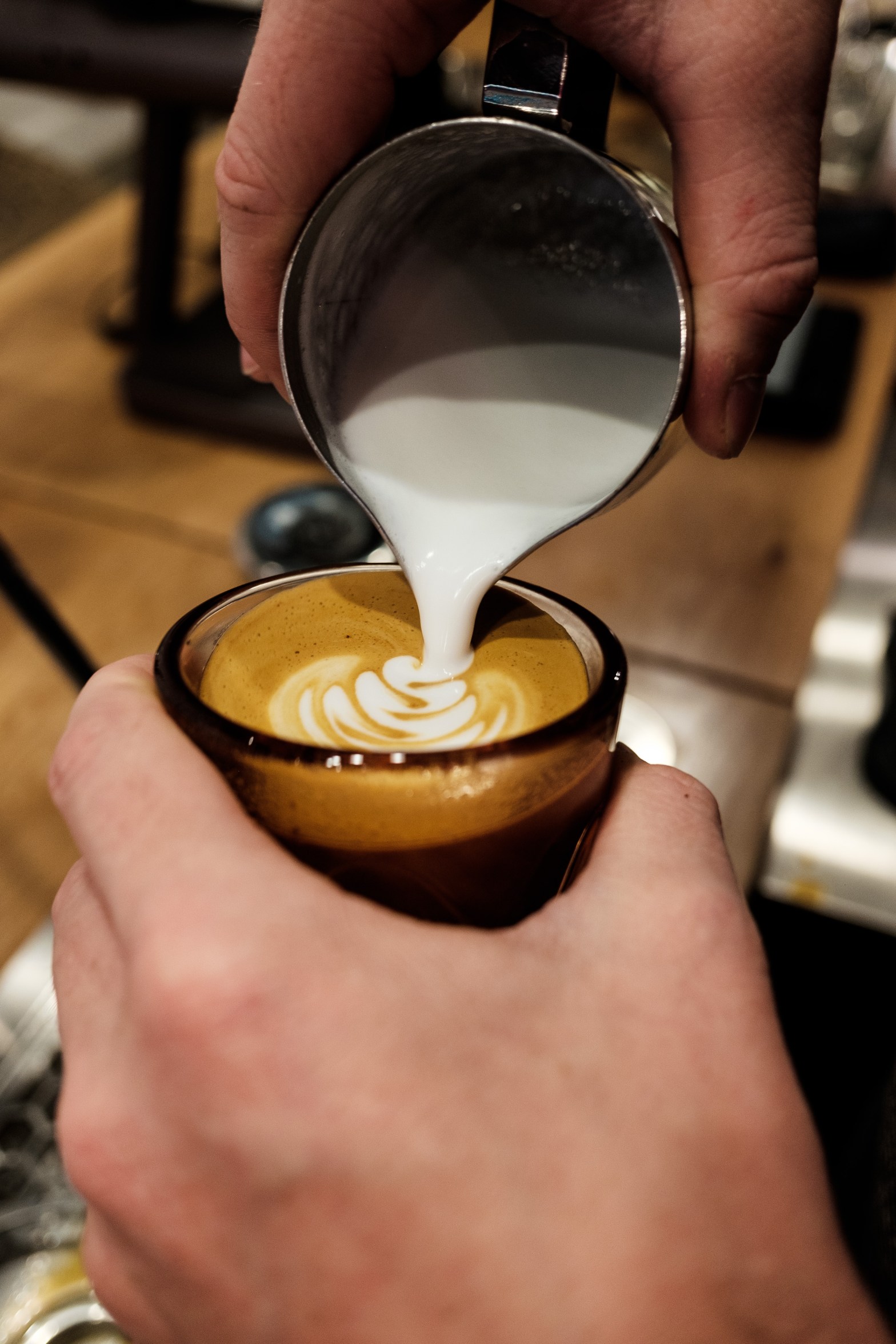
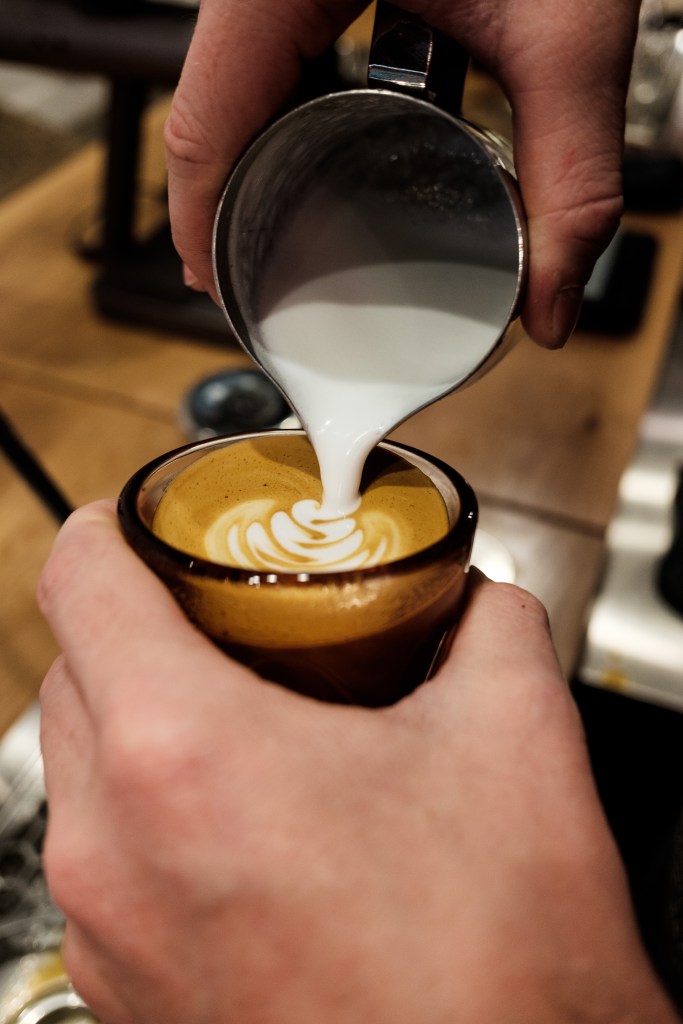
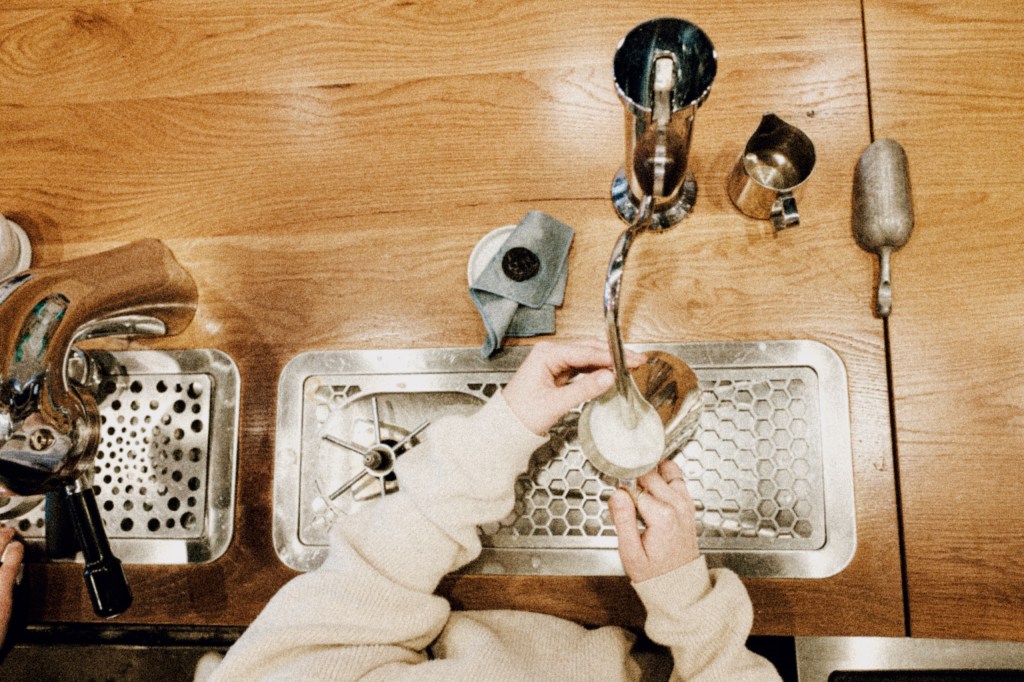
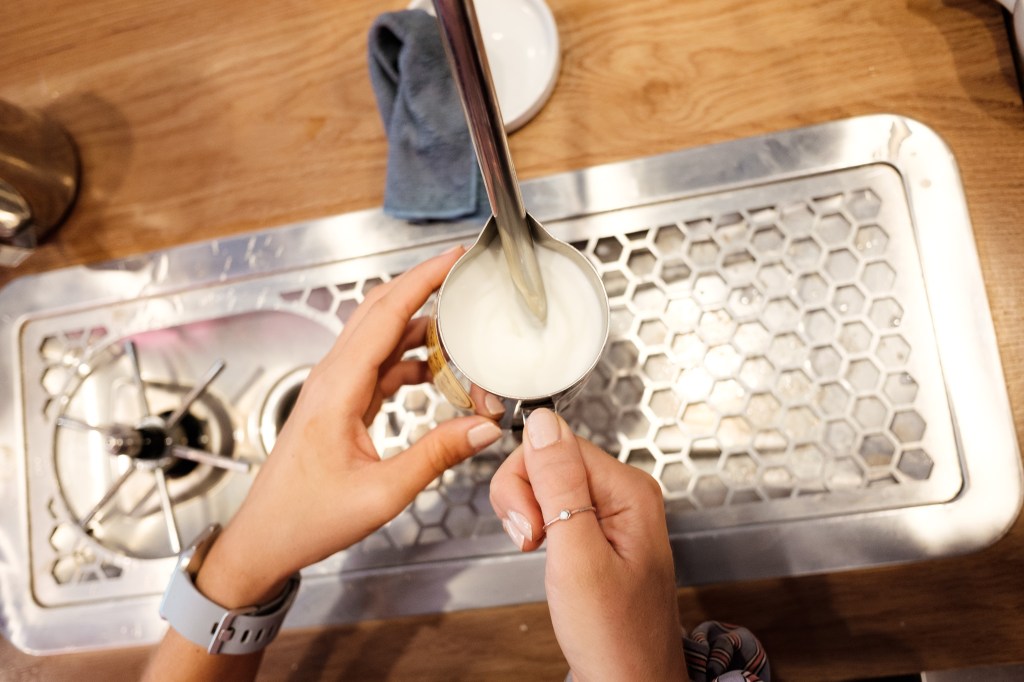
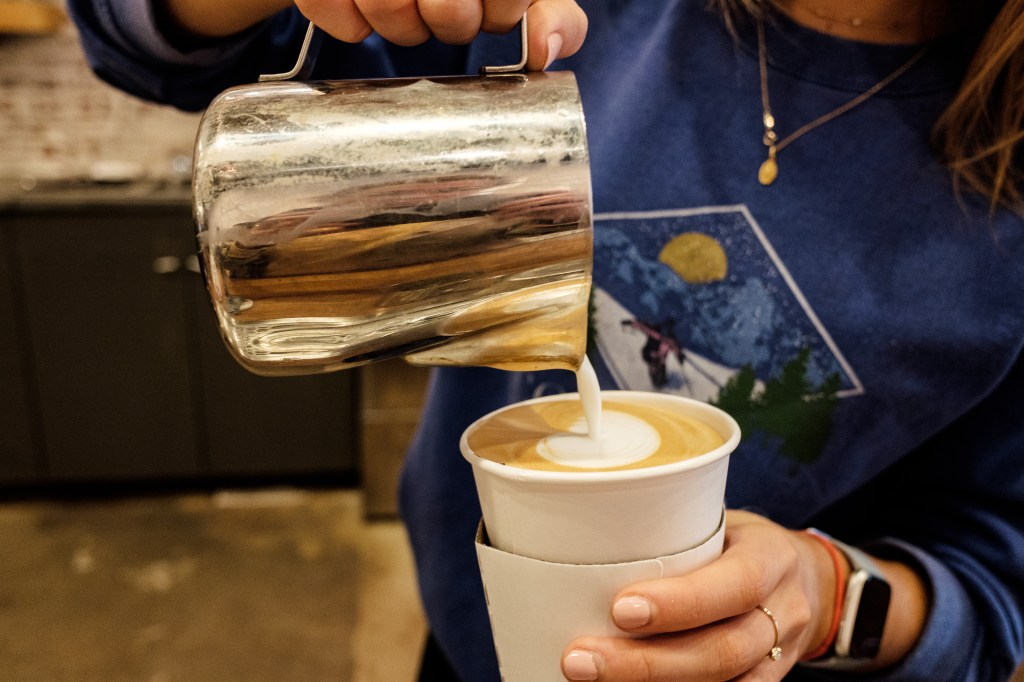
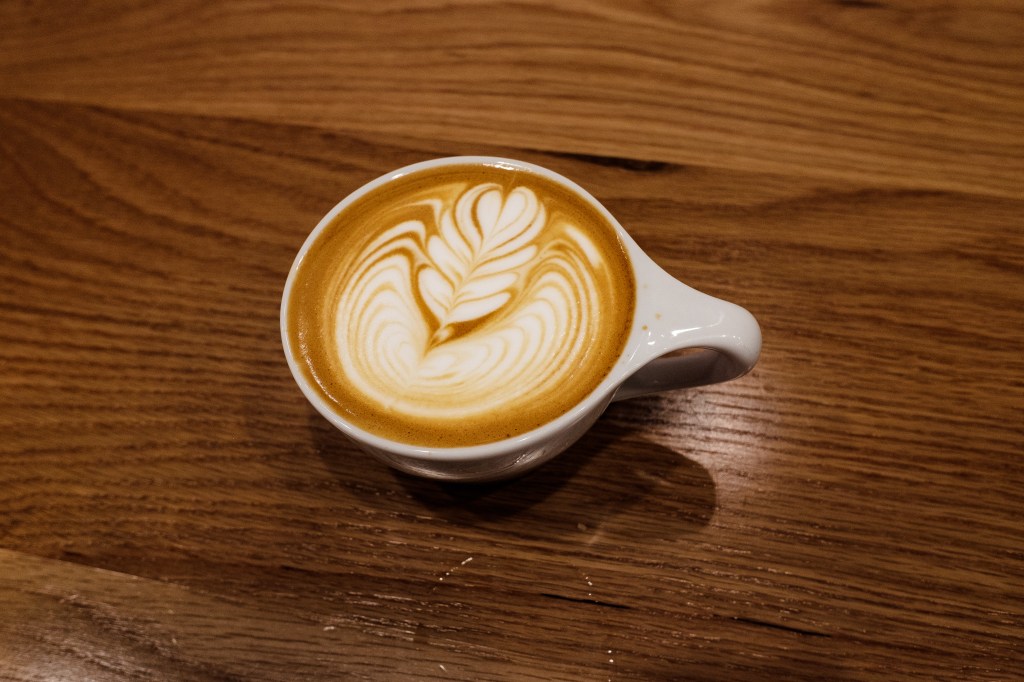
Most people ask me this as I am pouring their drink, after explaining to me that they can never get latte art in their coffee. I always feel a little bad breaking to them that latte art can only be accomplished with espresso and steamed milk, which means you need an espresso machine. (Those milk frothing devices don’t cut it.) However, if you do have an espresso machine with a steam wand, there is hope! Practice makes perfect and if you need tips you can find them here!
Q: What exactly is cold brew and how is it different from iced coffee?
Iced coffee is made the same way as brewed drip coffee, the only differences being that you use more coffee and then brew it over ice to water it down. Cold brew however, is made by steeping coarse ground coffee in room temperature for about 12 hours. Hot water tends to pull the more acidic flavors out of the coffee, whereas using room temperature water creates a very smooth cup of coffee. But at the end of the day, they are both types of iced coffee when you drink them!
Bonus question! Is drinking coffee black the best way to drink coffee?
I get this all the time where I work. Unfortunately a lot of people in the specialty coffee industry have created a stigma around specialty coffee and that it can only truly be enjoyed if drank black. This is simply not true. You should be drinking coffee how you like it! And if that is with cream or sugar or both, that is 100% okay! Coffee is for everyone, not just some snooty baristas. And I, for one, am all for everyone drinking better coffee, even if they aren’t drinking it black.
I hope these helped answer some of your most pressing coffee questions and maybe even taught you something new! Please comment below if there are any other burning (or should I say roasting? Yeah, no that was a bad joke) questions I can answer!
 Kelsey Makes Coffee